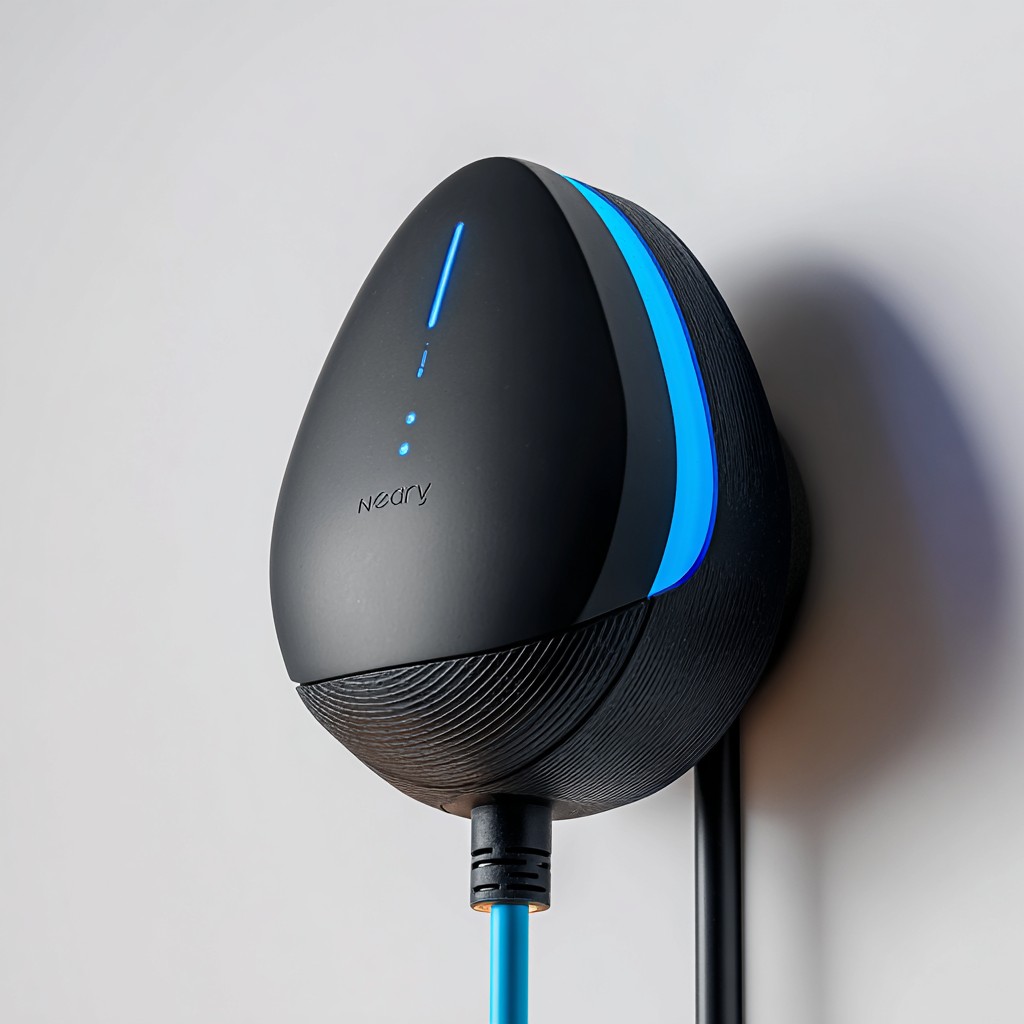
Pulse is the brain behind the Poppy system.
Traditional controllers ask people to guess how many minutes to water. Poppy Pulse works differently. It is designed around short, measured events, rest periods, pod behavior, and the watering objective for the plant group.
Instead of programming runtimes, the system can generate a watering strategy from the landscape itself: plant size, water-use class, pod count, climate, and season. The goal is simple — install it, plug it in, and let Poppy handle the rest.
Water is delivered in controlled pulses instead of long continuous runs.
Rest periods give water time to move into the root zone.
Pulse count creates a dose profile instead of a runtime guess.
Future Pulse logic can adapt by season, climate, and plant need.
Built to disappear into the system.
Pulse is not meant to be another controller people babysit. It is the quiet control layer that turns Poppy’s Pod layout into a managed watering program.
Measured events with rest in between.
Charge Event
The system initiates a short watering event to charge pods from the pressurized supply line.
Soak Period
Water has time to move into the soil instead of forcing long continuous application.
Repeat Cycle
Additional events can be applied based on the intended dose profile for the plant group.
Smarter control for real landscapes.
Matches Soil Absorption
Pulse-and-soak patterns can better align with how soil actually takes water in.
Works with Pods
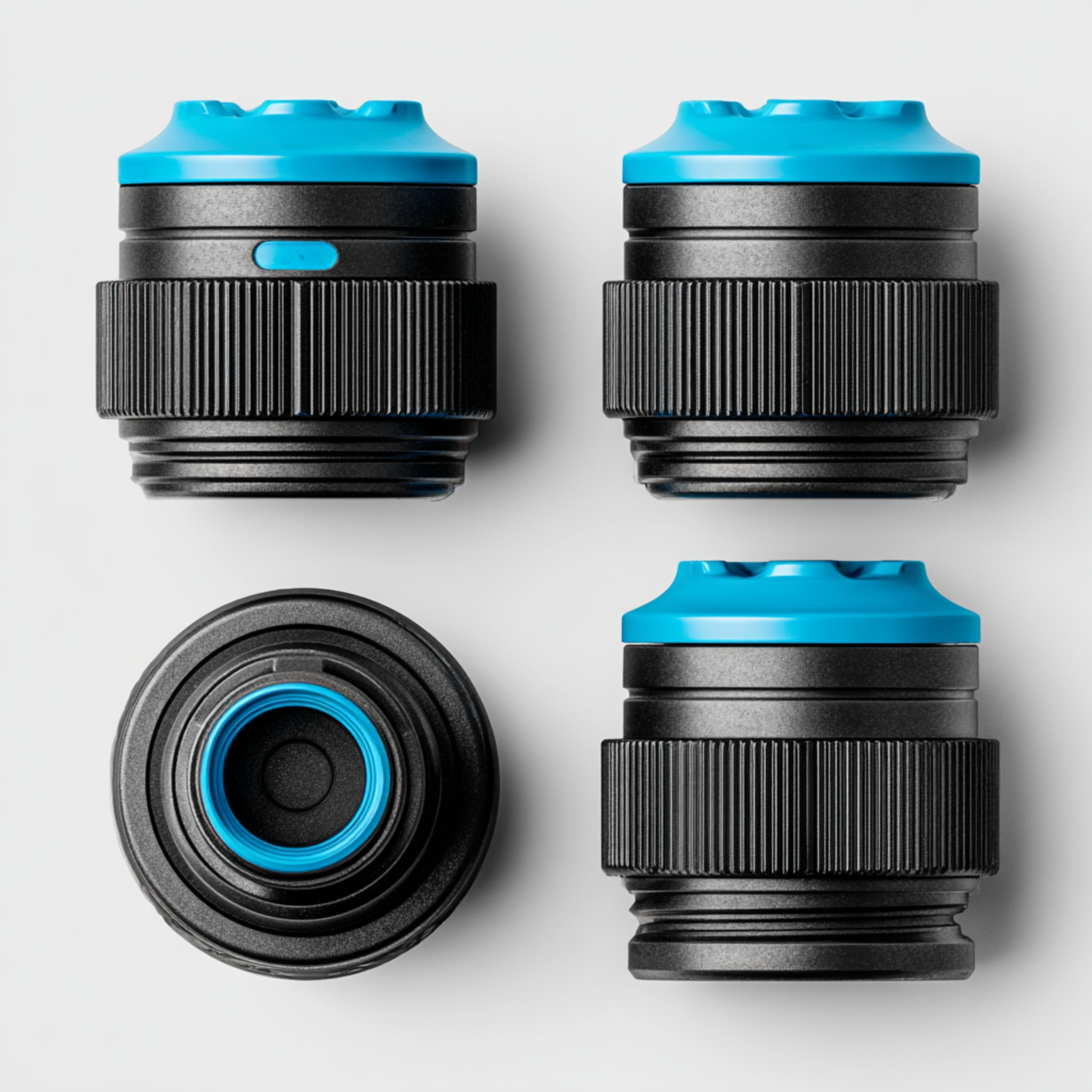
Poppy Pulse and Poppy Pods are designed as one system, not as unrelated parts.
Reduces Manual Tuning
The aim is a cleaner, more predictable watering system with less hand tuning and fewer guesses.